






1. Strategic Overview: The Shift in South American & Argentinian Gut Health Manufacturing
The Latin American dietary supplement market is experiencing a profound paradigm shift, with Argentina positioned at the forefront of functional nutrition, biotics innovation, and gastrointestinal therapeutics. Historically centered around standard vitamin and mineral isolate blending, the local market in major metropolitan zones like Gran Buenos Aires, Córdoba, and Rosario now demands sophisticated, microencapsulated probiotic matrices, synbiotics, postbiotics, and digestive enzyme complexes.
For brand owners, pharmaceutical distributors, clinical practitioners, and fast-growing e-commerce sellers across Argentina, sourcing high-stability gut health formulations requires partnering with certified factories capable of handling strain viability challenges, stringent moisture control, and compliance with the Administración Nacional de Medicamentos, Alimentos y Tecnología Médica (ANMAT). Sourcing from a international GMP and BRCGS-accredited manufacturer provides Argentinian businesses with a decisive competitive edge, guaranteeing batch-to-batch consistency and regulatory compliance without capital-intensive infrastructure setup.
2. Technological & Formulation Engineering for Biotics & Gut Health
Manufacturing gut health supplements demands extreme precision due to the environmental sensitivity of live microorganisms. Temperature fluctuations, ambient humidity, and gastric acid exposure can drastically degrade cell viability before strains reach the small intestine and colon. Leading global suppliers supplying the Argentinian market employ specialized engineering protocols to preserve strain integrity:
Microencapsulation & Targeted Delivery
Utilizing enteric polymer coatings and plant-based HPMC acid-resistant capsules that pass through gastric fluids intact ($pH < 2.0$), releasing live probiotic cultures directly into the alkaline intestinal tract ($pH > 6.8$).
Controlled Moisture Activity ($a_w$)
Maintaining strict dry-room parameters during blending and tableting to keep water activity levels below $a_w 0.15$. This prevents premature bacterial reactivation during storage and transport across LATAM climatic zones.
Spore-Forming Strain Stability
Incorporating resilient strains such as Bacillus coagulans and Bacillus subtilis, which naturally withstand thermal processing, high humidity, and shelf storage without requiring cold-chain logistics.
3. Localized Application Scenarios Across Argentina
To successfully capture consumer market share in South America, gut health products must align with local dietary culture, lifestyle habits, and retail formats. Below are four key application scenarios currently driving commercial growth in Argentina:
Scenario A: Functional Yerba Mate & Herbal Infusion Fortification
Yerba Mate is consumed by over 90% of Argentinian households daily. Innovative functional wellness brands are introducing stick-pack prebiotics (Fructooligosaccharides / Inulin) and heat-stable spore probiotics designed to be added directly to warm herbal infusions. This bridges traditional daily rituals with modern gastrointestinal science.
Scenario B: Sports Hydration & Gut Barrier Maintenance
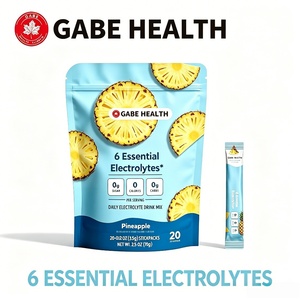
Endurance sports and fitness culture in urban centers like Buenos Aires demand combined hydration-gut formulas. High-intensity exercise often causes transient intestinal permeability ("leaky gut"). Combining zero-sugar electrolyte stick packs with gut-lining repair nutrients (such as L-Glutamine, Zinc Carnosine, and Lactobacillus rhamnosus) provides dual recovery benefits.
Scenario C: Clean Beauty & The Skin-Gut-Microbiome Axis
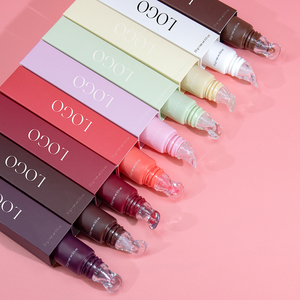
The Argentinian personal care and aesthetic market has increasingly embraced nutricosmetics. Consumers recognize that systemic skin issues—such as premature aging, inflammatory acne, and hyperpigmentation—often stem from gut dysbiosis. Dual-action strategies combining oral gut health gummies/capsules with topical peptide lip oils and botanical hand creams offer a comprehensive skin-gut wellness regimen.
Scenario D: High-Potency Clinical & Pharmacy Formulations
Pharmacies across Argentina actively seek specialized dietary supplements designed to restore gut microbiota following antibiotic treatment or anti-inflammatory therapies. Multi-strain preparations boasting 50 Billion to 100 Billion CFU per dose in blister packs remain high-demand pharmacy staples.
4. Regulatory Landscape: Navigating ANMAT & MERCOSUR Compliance
Importing and distributing finished dietary supplements in Argentina requires strict adherence to national food and pharmaceutical legislation under the Código Alimentario Argentino (CAA), specifically Chapter XVII on Dietary Foods and Food Supplements, alongside MERCOSUR technical regulations.
- Ingredient Authorization: Probiotic strains and botanical extracts must be included in ANMAT’s positive list of permitted substances or undergo novelty assessment.
- Label Compliance: Labels must feature Spanish translations, clear allergen declarations, storage conditions, exact CFU counts at expiration, and valid ANMAT registration numbers (RNE and RNPA).
- Quality Management Integrity: Manufacturing facilities must hold BRCGS (British Retail Consortium Global Standard) or equivalent ISO/GMP accreditations to facilitate expedited customs clearance and laboratory verification upon arrival at Argentinian ports.
5. Enterprise Strategic Advantages: Complete Turnkey Manufacturing Partner
Our integrated manufacturing and supply chain infrastructure solves the core operational pain points faced by Argentinian distributors, clinics, and consumer brands. By unifying product formulation, regulatory review, digital printing, packaging, and global logistics under one roof, we eliminate intermediate supply chain markups and delays.