UK manufacturing · BRCGS & GMP accredited · Shipping worldwide MOQ from 10 units on 120+ stock formulas · Schedule a call
0%

Colon Cleanse Supplements often promise a lighter, more comfortable feeling, but choosing one deserves more care than reading a bold label. Products may contain fiber, herbs, or laxative ingredients, and those ingredients can affect people differently. A jar beside the bathroom sink may look reassuring; the label still needs a closer look. “Natural” does not automatically mean safe or suitable for everyone.

Dr. Ranit Mishori, a family physician who has written about colon cleansing, cautions: “There is no evidence that colon cleansing has any health benefits.” That perspective matters when weighing marketing claims against reliable medical guidance. This guide’s seven tips focus on practical checks: ingredient lists, clear dosing, product quality, possible interactions, and signs that a product makes promises it cannot support. Small details count. A vague blend, missing warnings, or dramatic claims should prompt questions, not trust. Even a well-presented supplement may not be appropriate for someone with a digestive condition, who takes medication, or who is pregnant. Ask a qualified healthcare professional before trying one, especially if symptoms persist. The advice here cannot replace personal medical care, and that limitation is worth keeping in view. Choosing carefully is not the same as needing a cleanse.

7 Tips for Choosing Colon Cleanse Supplements

Understanding Colon Cleanse Supplements and Their Intended Purpose

Colon cleanse supplements are usually sold as products for bowel regularity or occasional constipation. Their ingredients may include fiber, magnesium, or stimulant herbs, and each works differently. Fiber can add bulk to stool, but it needs enough fluid and may cause gas. Some ingredients increase bowel movements; that does not mean they remove toxins or improve health through “detoxification.” That distinction matters. A softer stool is not proof that the body needed cleansing.

Before choosing a product, read the ingredient amounts and warnings, not just the front label. Check with a healthcare professional if you take medicines, have ongoing digestive symptoms, or are pregnant or managing a medical condition. Laxative ingredients can cause cramping, diarrhea, dehydration, or changes in mineral levels, especially with frequent use. Not harmless. I would also ask what problem the supplement is meant to address; vague promises make that difficult to judge. Persistent constipation, blood in stool, or severe pain deserves medical advice rather than a cleanse. Even careful label reading cannot confirm that a supplement is right for you.

Checking Ingredients and Evidence for Health Claims

7 Tips for Choosing Colon Cleanse Supplements

Checking Ingredients and Evidence for Health Claims

Start with the ingredient panel, not the word “detox.” Look for exact amounts, serving size, and clear ingredient names. A blend that lists herbs without their quantities makes comparison difficult. Ask what each ingredient is meant to do, and check whether research studied that ingredient at a similar dose. Evidence for one ingredient does not validate an entire formula.

Check claims against independent sources. The National Center for Complementary and Integrative Health says evidence supporting colon cleansing is limited; reported risks include dehydration and, rarely, more serious complications. A product promising to remove unspecified “toxins” is making a claim that deserves scrutiny. The FDA does not approve dietary supplements for safety and effectiveness before they reach the market. That distinction matters. A disclaimer is not proof that a health claim works.

Consider whether a gentler, evidence-based option fits your needs. The 2020–2025 Dietary Guidelines for Americans use a fiber target of 14 grams per 1,000 calories—about 28 grams for a 2,000-calorie eating pattern. That is a dietary benchmark, not proof that a cleanse supplement is beneficial. Compare the label with reputable clinical guidance, and ask a healthcare professional about medicines, ongoing symptoms, or health conditions. Honestly, labels can still be confusing. Pause before buying.

Assessing Safety Risks, Side Effects, and Medication Interactions

7 Tips for Choosing Colon Cleanse Supplements

Assessing Safety Risks, Side Effects, and Medication Interactions

“Natural” does not mean risk-free. Colon cleanse products may contain stimulant laxatives, magnesium, or concentrated herbs, and their effects can vary. Possible problems include cramping, diarrhea, dehydration, and shifts in blood electrolytes. The National Center for Complementary and Integrative Health cautions that colon cleansing can cause serious complications, particularly for people with digestive, kidney, or heart conditions. A label is not a safety guarantee.

Look beyond the front of the package. Check every active ingredient and amount, and avoid products that hide quantities in proprietary blends. In a 2015 New England Journal of Medicine study, researchers estimated about 23,000 US emergency department visits each year were linked to dietary supplements overall. That figure was not specific to colon cleansers, but it shows why supplement safety deserves attention. Small print matters.

Medication interactions can be easy to miss. Diarrhea may affect how oral medicines are absorbed, while laxative-related electrolyte loss may be risky for people taking diuretics or certain heart medicines. Fiber-based ingredients can also interfere with absorption when taken too close to some medications. Ask a pharmacist or clinician to review the full ingredient list against your prescriptions and health conditions. Check first.

Stop use and seek medical advice for severe pain, faintness, persistent vomiting, or bloody stool. Even a familiar ingredient can behave differently in a concentrated product. I would not treat “cleanse” as proof that the body needs cleansing.

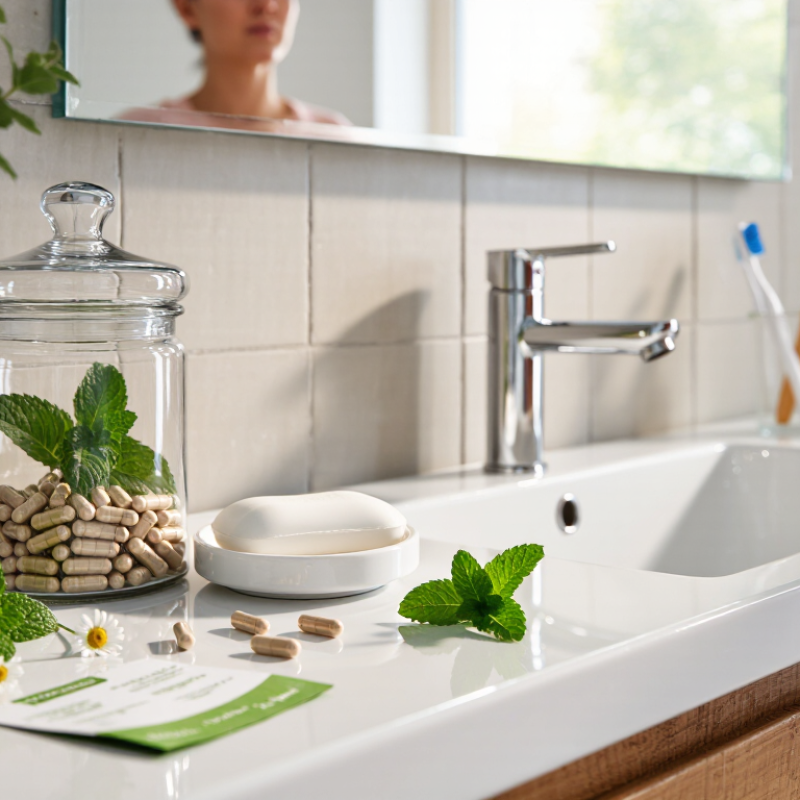
Comparing Product Quality, Dosage, and Label Transparency

Tip: Compare the full ingredient list, not just the front label. Look for exact amounts per serving and clear names for each ingredient. “Proprietary blend” may hide individual doses, making products harder to compare. A tidy label is useful, but it does not prove a product works.

Tip: Check dosage instructions against the amount in each serving. More is not necessarily better. Avoid combining products with overlapping laxative ingredients, and ask a pharmacist or clinician about possible interactions with medicines or existing conditions. Some cleansing products can cause cramping, diarrhea, or dehydration. Stop and seek medical advice if symptoms are severe or persistent.

Tip: Look for quality details, such as manufacturing standards and independent testing. These checks may support product consistency, but they do not establish safety or effectiveness for every person. Read warnings and expiry dates, too. Small print matters. Evidence for routine colon cleansing is limited, and the body usually clears waste without supplements. I would still pause before buying one, especially for unexplained bowel changes, blood in the stool, or ongoing pain. A clinician can help identify the cause rather than mask it.

Consulting a Healthcare Professional Before Choosing a Supplement

Before choosing a colon cleanse supplement, speak with a healthcare professional who knows your medical history. A clinician or pharmacist can review your medicines, allergies, and existing conditions for possible risks. Bring the product’s full ingredient list, not just the front label. That small detail matters.

Supplement use is common, but popularity does not prove safety. The CDC’s National Center for Health Statistics reported that 58.5% of U.S. adults used a dietary supplement in 2017–2018 (NCHS Data Brief No. 399, 2021). That figure covers supplements broadly, not colon cleanses specifically. The National Center for Complementary and Integrative Health notes that evidence supporting colon cleansing is limited and that side effects can occur. Ask what evidence supports each ingredient, whether it could interact with your medicines, and what warning signs require stopping.

Be candid about why you are considering a cleanse. Constipation, bloating, or a sudden bowel change may need assessment rather than a supplement. I might be tempted by a “natural” label; it still does not tell me whether a product is safe for my situation. Short answer: ask first. Seek prompt medical advice for severe pain, blood in your stool, or persistent symptoms. A quick review can prevent an avoidable problem.

FAQS

What should I check on a supplement label?

Read the full ingredient list, exact amounts per serving, warnings, and expiry date. Small print matters.

Why can a “proprietary blend” make comparison difficult?

It may list ingredients without revealing each ingredient’s individual dose. That makes product comparisons less clear.

Does a higher dose mean better results?

Not necessarily. Follow the serving directions, and ask a pharmacist or clinician if you are unsure.

Can combining cleansing products cause problems?

Yes. Products may contain overlapping laxative ingredients. Combining them could increase the risk of cramping, diarrhea, or dehydration.

Do quality checks prove a supplement is safe and effective?

No. Manufacturing standards and independent testing may support consistency, but they do not prove safety or effectiveness for everyone.

Is there strong evidence for routine colon cleansing?

Evidence is limited. The body usually clears waste without supplements, so I would pause before buying one.

What should I bring to a healthcare professional?

Bring the full ingredient list and share your medicines, allergies, and existing conditions. A front label alone may leave out useful details.

When should I seek medical advice instead of trying a supplement?

Ask for advice about unexplained bowel changes, ongoing pain, constipation, or bloating. Seek prompt care for severe pain or blood in your stool. I might overlook a warning sign, so it is worth asking.

Conclusion

Choosing Colon Cleanse Supplements requires careful attention to what they are intended to do and what evidence supports their claims. Review the ingredient list and look for clear explanations of each ingredient’s role, along with reliable evidence for any promised benefits. Be cautious of products that make sweeping claims or suggest that a supplement can replace healthy habits or medical care.

Safety and transparency matter as much as marketing claims. Check the recommended dosage, possible side effects, and potential interactions with medications or existing health conditions. Prefer products with complete, easy-to-understand labels that disclose their ingredients and amounts. Before starting a supplement, consult a healthcare professional, especially if you take medication, have a health condition, or are unsure whether the product is appropriate for you.

Avery Bennett

Avery Bennett

Avery Bennett is a highly experienced marketing professional dedicated to helping businesses understand products, markets, and customer needs. With a strong background in strategic communication, content development, and industry research, Avery brings clarity and practical insight to every article......