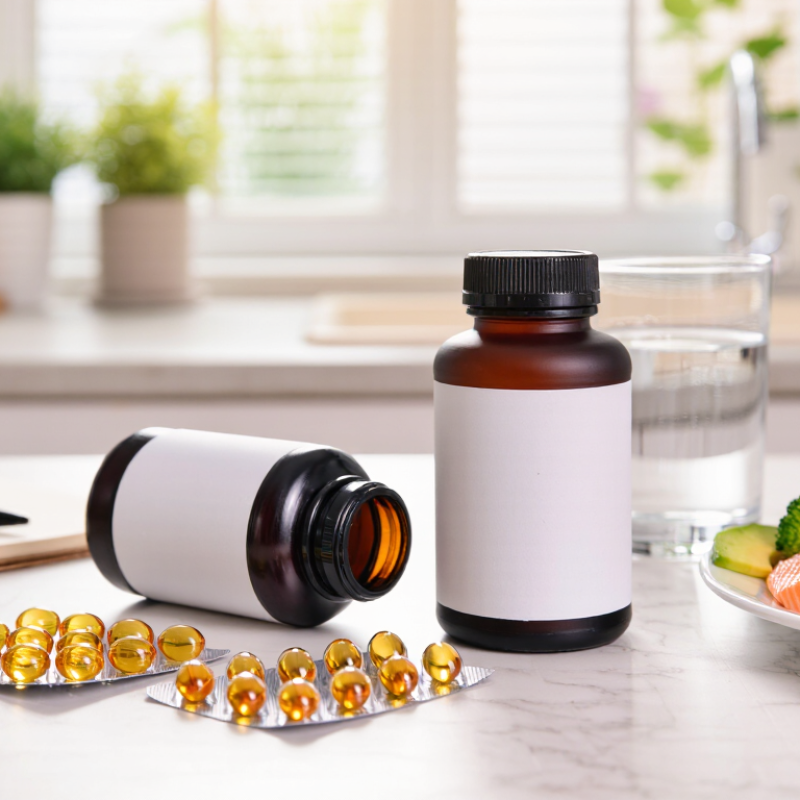
CoEnzyme Q10 Supplements have moved from specialist shelves into everyday wellness conversations. CoQ10 is a fat-soluble compound found in human cells, especially tissues requiring substantial energy. The body produces it naturally, while foods such as oily fish, organ meats, and some vegetables provide smaller amounts. It exists mainly as ubiquinone and ubiquinol. This distinction matters, although marketing often makes it sound simpler than it is.
The National Institutes of Health Office of Dietary Supplements describes CoQ10 as involved in mitochondrial energy production and antioxidant activity. However, evidence differs across conditions, doses, and product formulations. The National Center for Complementary and Integrative Health also notes that research findings remain mixed for several popular uses. That is important. A supplement is not automatically effective because it is familiar.
Market interest is expanding. Grand View Research’s Coenzyme Q10 market analysis identifies growing demand from healthy-aging, cardiovascular, and sports-nutrition categories. Yet market growth does not prove clinical benefit. Buyers should examine dosage, third-party testing, ingredient form, and storage instructions. CoQ10 is fat-soluble, so taking it with a meal containing healthy fats may support absorption. Products may also vary considerably in price and quality.
Why buy CoEnzyme Q10 Supplements? Some consumers seek nutritional support during aging, demanding exercise, or statin therapy. Others simply want a researched ingredient with a clear biological role. Personal experience can be informative, but it is not controlled evidence. People using warfarin, blood-pressure medicines, or cancer treatments should consult a qualified clinician first. Product labels deserve careful reading. The strongest choice is usually informed, measured, and willing to reconsider.
Coenzyme Q10, often called CoQ10, is a fat-soluble compound found naturally in the body. It sits inside mitochondria, the tiny structures that produce cellular energy. CoQ10 helps transfer electrons during this process, especially in organs with high energy demands. The heart, liver, and muscles need substantial amounts.
CoQ10 also works as an antioxidant. It helps protect cell membranes from oxidative stress, although it is not a cure-all nutrient. The body can make CoQ10, but production may decline with age. Certain medicines, including some cholesterol-lowering drugs, may also affect its levels. Supplement forms commonly include ubiquinone and ubiquinol. Ubiquinol is a reduced form, yet research has not proved it is always superior for every person.
The evidence is mixed. Some studies suggest possible support for people with specific heart conditions, migraine patterns, or statin-related muscle discomfort. Other trials show modest or unclear benefits. That uncertainty matters. Supplements can interact with medicines, including blood thinners and some treatments for blood pressure. A pharmacist or physician can review the dose, medical history, and current prescriptions. Taking CoQ10 with a meal containing healthy fats may improve absorption. Still, stomach upset or insomnia can occur. Individual responses vary, and my early assumption that “natural” meant risk-free was too simple.
Coenzyme Q10 supplements mainly come in two forms: ubiquinone and ubiquinol. Ubiquinone is the oxidized form found in many traditional capsules. Ubiquinol is the reduced form, often marketed for easier absorption. Both participate in cellular energy production and antioxidant activity. The body can convert one form into the other, although this process may change with age or health status.
Softgels usually contain oil-based CoQ10, because fat can support absorption. Powder capsules and water-dispersible formulas are also available. These products may suit people who avoid oils, but “water-soluble” does not automatically mean superior. A 2023 review in Nutrients reported that formulation, meal timing, and particle size can significantly influence CoQ10 bioavailability. Evidence remains uneven. Some studies use small groups, short follow-up periods, or different doses.
Market research reflects growing interest rather than proven universal benefit. Grand View Research estimated the global CoQ10 market at about 0.74 billion dollars in 2023, with projected growth through 2030. This figure measures commercial demand, not clinical effectiveness. When comparing products, check the exact form, stated amount, testing information, and storage instructions. Taking an oil-based softgel with a meal may be practical. Still, individual absorption varies. I would not assume the higher-priced form works better without clinical guidance. People using prescription medicines should ask a qualified healthcare professional before starting supplementation.
Coenzyme Q10, or CoQ10, is a compound found naturally in human cells. It helps mitochondria produce energy, especially in the heart, liver, and muscles. Levels may decline with age or certain treatments. Supplements can help restore intake, but they are not a universal solution.
What potential benefits might they offer? Some research suggests CoQ10 may reduce tiredness linked to low cellular energy. It may also support normal heart function when used alongside medical care. People taking cholesterol-lowering medicines sometimes report muscle discomfort, although study results remain mixed. That uncertainty matters. A supplement should not replace prescribed treatment or regular monitoring.
CoQ10 comes in forms such as ubiquinone and ubiquinol. Absorption may improve when taken with a meal containing healthy fats. Results are usually gradual, not dramatic. That can be disappointing. Possible side effects include stomach upset, nausea, or sleep changes. CoQ10 may also interact with medicines, including some blood-thinning treatments. Anyone with a chronic condition, pregnancy, or ongoing medication should ask a qualified healthcare professional before use. Product quality varies, so checking independent testing and clear dosage information is sensible. Even then, personal response can differ, and keeping a simple symptom record may reveal whether the supplement is genuinely useful.
Coenzyme Q10 supplements contain a compound your cells use to produce energy. They may also help protect cells from oxidative stress. The body makes CoQ10 naturally, although levels can change with age and certain health conditions. Supplements commonly contain ubiquinone or ubiquinol. Neither form is automatically best for everyone.
Who may consider taking CoQ10? Adults using cholesterol-lowering medicines sometimes discuss it with a clinician, especially after developing muscle aches or unusual fatigue. Evidence remains mixed, so symptoms should not be blamed on medicine without proper evaluation. People with selected heart conditions, migraines, or low dietary intake may also ask about supplementation. The reason matters.
Personal health history matters more than a general recommendation. CoQ10 can interact with warfarin and may affect blood pressure or blood sugar treatment. People who are pregnant, breastfeeding, preparing for surgery, or managing chronic illness should seek medical advice first. A pharmacist can review medicines, doses, and product quality. Choose a supplement with clear labeling and independent quality testing when available. Start cautiously, and track changes such as muscle discomfort, sleep, or stomach upset. Some users notice nothing. That is important information too.
| Information Dimension | What It Means | Who May Consider It | Evidence or Practical Note |
|---|---|---|---|
| What Coenzyme Q10 Is | Coenzyme Q10, also called CoQ10, is a naturally occurring compound involved in cellular energy production and antioxidant activity. | Adults interested in learning about nutritional supplements that support normal cellular energy processes. | The body produces CoQ10, and it is also obtained in small amounts from food. |
| Main Forms | Supplements commonly contain either ubiquinone, the oxidized form, or ubiquinol, the reduced form. | People comparing supplement labels or discussing product selection with a healthcare professional. | Both forms are used in supplements. Absorption can vary with formulation, dose, and individual factors. |
| Natural Food Sources | Small amounts are found in foods such as oily fish, meat, poultry, nuts, seeds, and some vegetables. | People who prefer to obtain nutrients from food whenever possible. | Food sources generally provide much less CoQ10 than the amounts used in many supplement studies. |
| Age-Related Changes | CoQ10 levels in tissues may decline with age, although the amount and clinical importance of this change can vary. | Older adults considering CoQ10 for a specific health concern. | A lower tissue level does not automatically mean that supplementation is necessary or beneficial. |
| People Taking Statins | Statin medicines may be associated with muscle symptoms in some people. CoQ10 is sometimes considered because statins can affect CoQ10-related pathways. | People taking a statin who develop muscle pain, weakness, or cramps should first discuss symptoms with their prescriber. | Research on CoQ10 for statin-associated muscle symptoms is mixed, so it should not replace medical evaluation or prescribed treatment. |
| Heart Failure Support | CoQ10 has been studied as an adjunct to standard treatment for some people with heart failure. | Adults with diagnosed heart failure only when supplementation is reviewed by a qualified healthcare professional. | Some studies suggest possible benefits, but CoQ10 is not a substitute for prescribed heart-failure medicines or monitoring. |
| Migraine Prevention | CoQ10 has been investigated as a preventive supplement for people with recurring migraine. | Adults seeking additional preventive options after discussing them with a healthcare professional. | Some clinical research reports fewer or less severe migraines, but benefits are not guaranteed and may take time to assess. |
| Rare CoQ10 Deficiency | Primary CoQ10 deficiency is uncommon and may be linked to inherited conditions or certain medical disorders. | People with a suspected or diagnosed deficiency should receive specialist medical guidance. | Treatment for a confirmed deficiency requires professional diagnosis, individualized dosing, and follow-up. |
| Common Study Amounts | Research has used a wide range of doses, often from approximately 30 to 300 mg per day, depending on the condition and study design. | Adults comparing research information before speaking with a healthcare professional. | Study doses are not universal recommendations. Individual needs, formulation, medicines, and health status matter. |
| How It Is Taken | CoQ10 is fat-soluble and is commonly taken with a meal containing fat to support absorption. | People who choose to use a CoQ10 supplement after reviewing whether it is appropriate for them. | Following the product directions and professional advice is important; taking more is not necessarily better. |
| Common Side Effects | Possible effects include stomach discomfort, nausea, diarrhea, reduced appetite, headache, dizziness, or difficulty sleeping. | Anyone considering CoQ10 should monitor for unwanted effects, especially after starting or increasing a dose. | Side effects are usually mild, but persistent or severe symptoms warrant medical advice. |
| Medication Interactions | CoQ10 may interact with some medicines, including warfarin, and may affect blood pressure or blood glucose management. | People using anticoagulants, blood-pressure medicines, diabetes medicines, or multiple prescription drugs. | Consult a healthcare professional before use and do not change prescribed medicines without guidance. |
| Pregnancy and Breastfeeding | Reliable safety information is limited for pregnancy and breastfeeding. | Pregnant or breastfeeding individuals should seek professional advice before taking CoQ10. | A supplement should be used only when its potential benefits and risks have been reviewed. |
| What to Look For | Consider the stated CoQ10 form, amount per serving, serving instructions, expiration date, and quality-testing information. | Consumers comparing supplements without relying solely on advertising claims. | Supplements are not a replacement for a balanced diet, appropriate medical care, or evidence-based treatment. |

| Important: CoQ10 supplements may be reasonable for some adults, but suitability depends on the person’s health status, goals, and medications. Consult a qualified healthcare professional before starting supplementation, especially when managing a chronic condition or taking prescription medicines. | |||
Choosing a Coenzyme Q10 supplement starts with a clear reason for using it. CoQ10 supports cellular energy production, but it is not a universal cure. Some people consider it for statin-associated muscle discomfort, migraine support, or general wellness. Evidence remains mixed. That matters.
Look for transparent labeling, including the form, amount per serving, lot number, and expiration date. Ubiquinone is the traditional form, while ubiquinol is a reduced form often marketed for easier absorption. Neither is automatically better for everyone. Independent testing can help verify purity and potency. Avoid products with vague blends or unnecessary stimulants. A pharmacist can check whether the supplement fits your medical history.
Use the smallest reasonable amount suggested by a healthcare professional or the product label. Take it with a meal containing some fat, such as avocado, eggs, or olive oil. This may improve absorption. Split doses can feel easier on the stomach. Keep a simple note of changes, including muscle pain, headaches, sleep, or digestive symptoms. Results may be subtle, and some users notice nothing. That is useful information too.
CoQ10 may interact with warfarin and could affect blood pressure or blood sugar management. People who are pregnant, breastfeeding, preparing for surgery, or taking several medicines should seek medical advice first. Do not replace prescribed treatment with a supplement. I would also question dramatic promises; a polished label is not clinical proof.
Coenzyme Q10 supplements provide a compound involved in cellular energy production. The chart shows daily doses used in selected human studies, not universal recommendations. Study doses varied by health condition, formulation, and research design.
When choosing a supplement, check the stated amount of CoQ10, serving size, and whether it contains ubiquinone or ubiquinol. Taking CoQ10 with a meal containing fat may improve absorption. People using warfarin, undergoing medical treatment, pregnant, or breastfeeding should consult a healthcare professional before use.
Sources: Sandor et al., Neurology (2005), migraine prevention study; Morisco et al., American Heart Journal (1993), heart failure study; Shults et al., Archives of Neurology (2002), Parkinson’s disease dose-ranging study.
Coenzyme Q10 is a fat-soluble compound naturally produced in the body. It works inside mitochondria. These structures help produce cellular energy.
The heart, liver, and muscles use substantial energy. They may contain higher amounts of CoQ10. Energy demand matters.
CoQ10 helps protect cell membranes from oxidative stress. However, it is not a cure-all nutrient. That distinction is important.
Some people consider CoQ10 for muscle discomfort, migraine patterns, heart conditions, or general wellness. Research shows mixed results. Benefits may be modest or unclear.
Ubiquinone is the traditional form. Ubiquinol is a reduced form, often promoted for easier absorption. Research has not proved one form is always better.
Check the form, serving amount, lot number, and expiration date. Independent testing may help confirm purity and potency. Avoid vague blends and unnecessary stimulants.
Take it with a meal containing healthy fats, such as avocado, eggs, or olive oil. This may improve absorption. Splitting doses might reduce stomach discomfort.
It may cause stomach upset or insomnia. It can also interact with some medicines, including blood thinners. It may affect blood pressure or blood sugar management.
People who are pregnant, breastfeeding, preparing for surgery, or taking several medicines should ask a healthcare professional. Do not replace prescribed treatment. Natural does not mean risk-free.
CoEnzyme Q10 Supplements provide a concentrated form of coenzyme Q10, a naturally occurring compound involved in cellular energy production and antioxidant protection. The body produces it on its own, but levels may change with age, lifestyle, or certain health circumstances. The two main forms are ubiquinone and ubiquinol, which differ in their chemical structure and absorption characteristics. These supplements are commonly considered for supporting energy metabolism, cardiovascular function, and general cellular health, although individual responses may vary and they should not be viewed as a replacement for medical treatment.
People interested in CoEnzyme Q10 Supplements should consider their goals, dietary needs, the supplement form, dosage, ingredient quality, and ease of use. Taking them with a meal containing healthy fats may support absorption. Anyone using prescription medicines, managing a health condition, pregnant, or breastfeeding should consult a qualified healthcare professional before use. Consistent use, realistic expectations, and attention to overall nutrition and lifestyle are important when incorporating them into a wellness routine.